Hibachi Noodles: A Flavor-Packed Takeout Classic Made at Home
Hibachi noodles are one of those dishes that instantly bring comfort. They cook quickly, taste incredible, and satisfy every time. This version recreates the buttery, savory hibachi-style flavors you expect from a restaurant, but in a simple home-kitchen format. The ingredients are familiar, the technique is approachable, and the finished result is full of rich garlicky depth and perfectly seasoned noodles that pair with nearly anything.
Whether you want a quick weeknight dinner, a side dish for your favorite stir-fry, or a customizable base for vegetables or proteins, these hibachi noodles deliver every time.
Table of contents
- Why These Hibachi Noodles Work So Well
- When to Serve Hibachi Noodles
- Ingredients That Create the Best Flavor
- How to Make Hibachi Noodles at Home
- What Sets This Hibachi Noodle Recipe Apart
- Storing and Using Leftover Hibachi Noodles
- Variations for Endless Creativity
- Frequently Asked Questions About Hibachi Noodles
- Recipe Recommendations
- If You Love Simple Flavorful Meals, Try This One
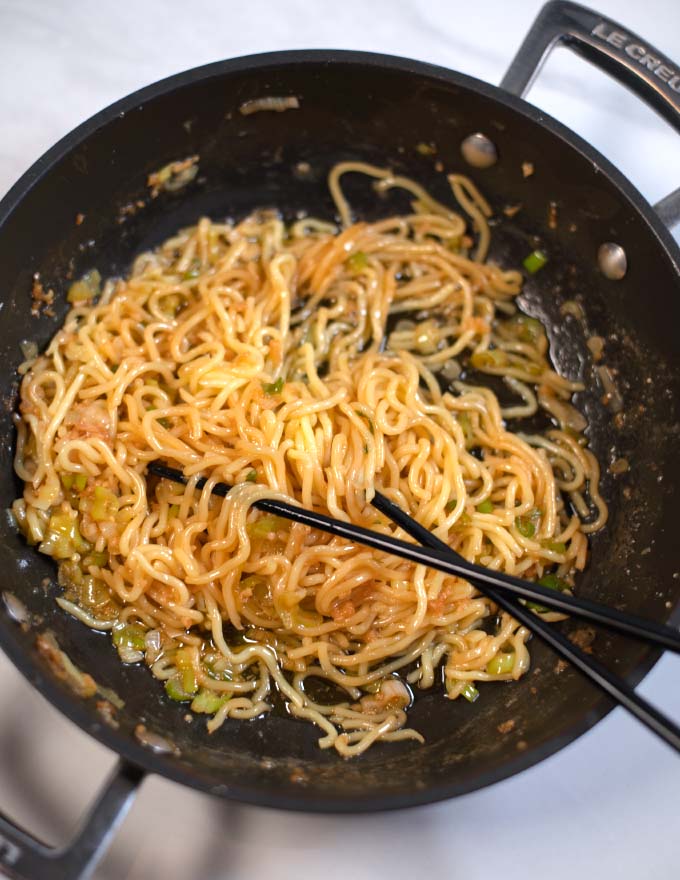
Why These Hibachi Noodles Work So Well
What makes this recipe stand out is its focus on clean, bold flavors. Fresh ginger and garlic create an aromatic backbone, scallions add brightness, and a touch of brown sugar brings the signature hibachi sweetness that balances the soy sauce. The butter gives everything that unmistakable silky richness and helps the aromatics bloom in the pan.
Instant noodles ensure fast cooking and perfect texture, allowing the sauce to cling beautifully without turning mushy. Altogether, the dish achieves the same iconic flavor profile as restaurant hibachi while remaining simple and consistent for home cooking.
When to Serve Hibachi Noodles
These noodles shine on weeknights because they come together quickly and require minimal cleanup.
They also work beautifully as a side for tofu, grilled vegetables, teriyaki dishes, rice bowls, or stir-fried meals. If you enjoy cooking for gatherings, hibachi noodles are crowd-pleasing and easy to double.
They also make an excellent base for build-your-own bowls, which is ideal for casual dinner parties or meal-prep Sundays.
Ingredients That Create the Best Flavor
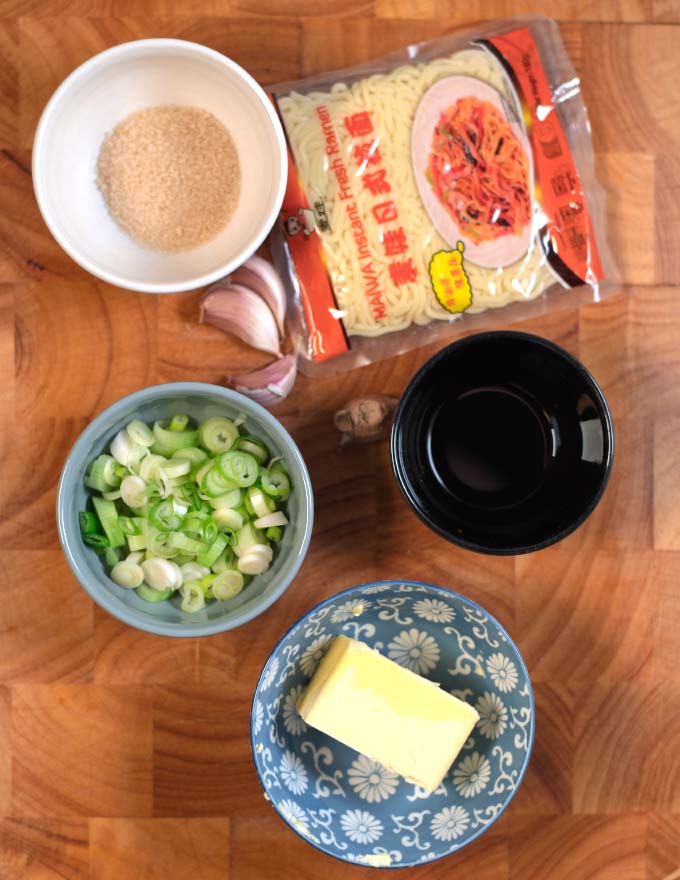
The secret to a standout hibachi noodle dish is freshness. Using freshly pressed garlic and just-chopped ginger makes a noticeable difference in aroma and punch.
Scallions provide a bright, fresh finish that cuts through the buttery richness. Brown sugar is subtle but essential, giving the sauce depth and helping it caramelize slightly in the hot pan.
Because the ingredient list is short, each element plays a role. That balance-salty, sweet, aromatic, savory-is what makes hibachi noodles taste so satisfying.
How to Make Hibachi Noodles at Home
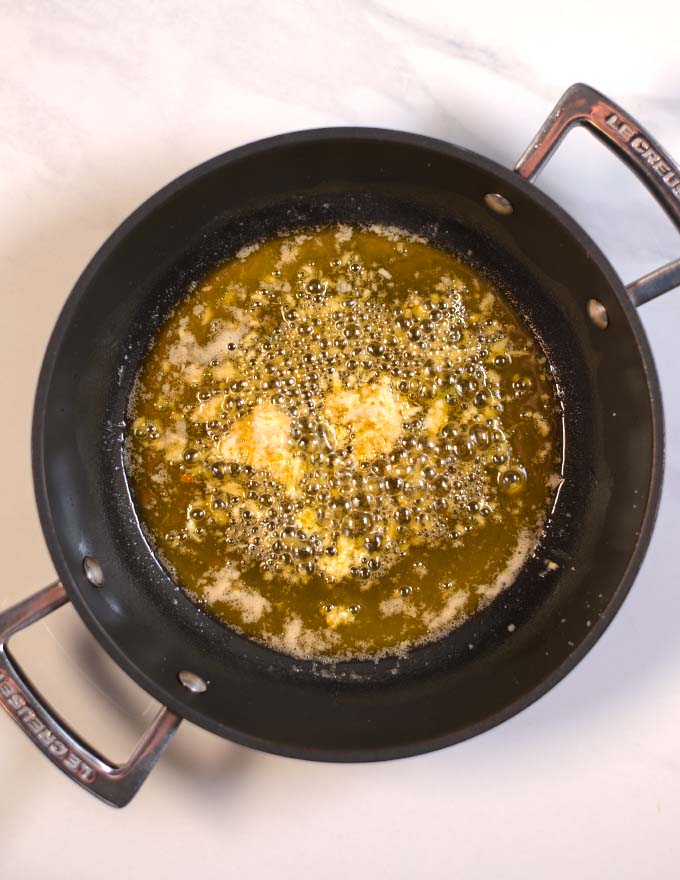
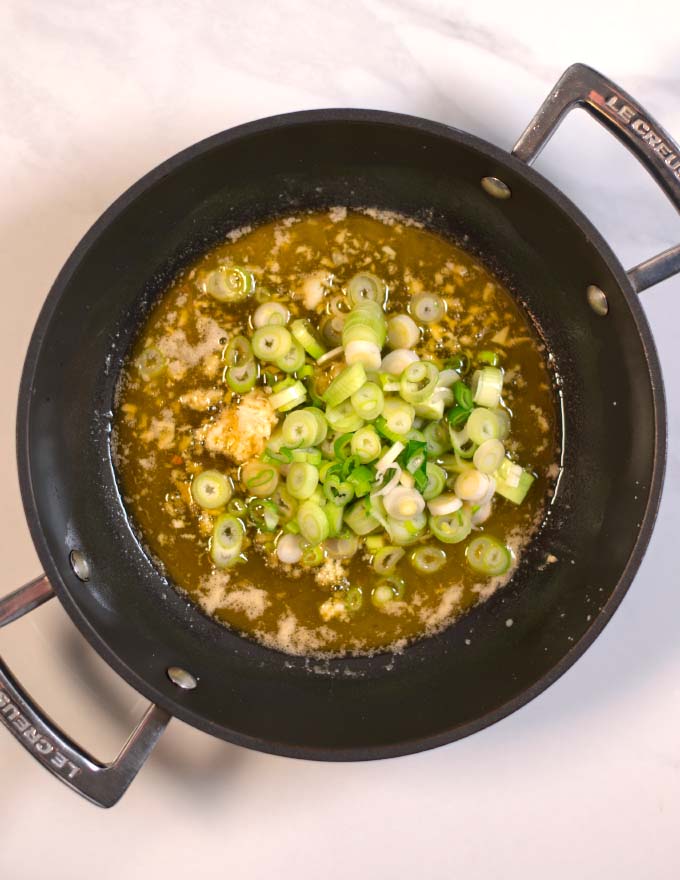
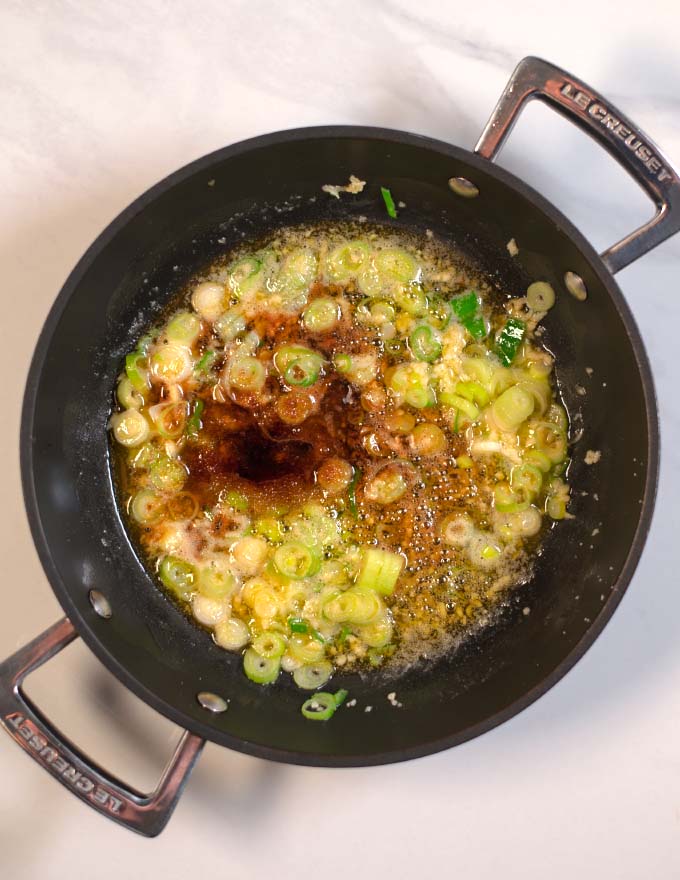
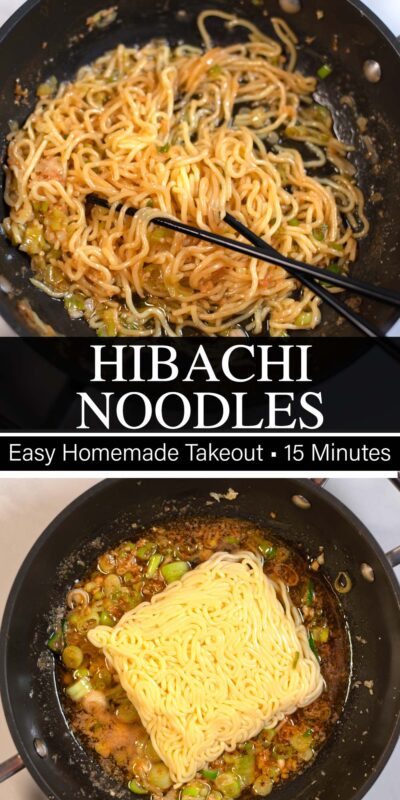
Begin by preparing the noodles according to the package instructions, taking care not to overcook them so they stay springy. While they drain, melt the butter in a hot pan until it begins to foam slightly, then add the ginger and garlic so they can release their aroma. Once fragrant, stir in the scallions and allow them to soften.
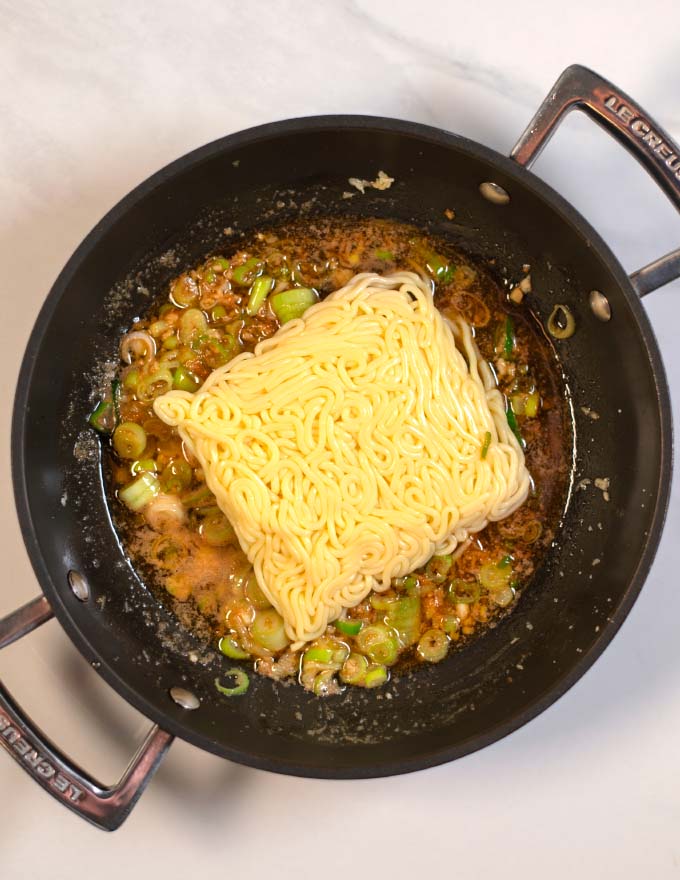
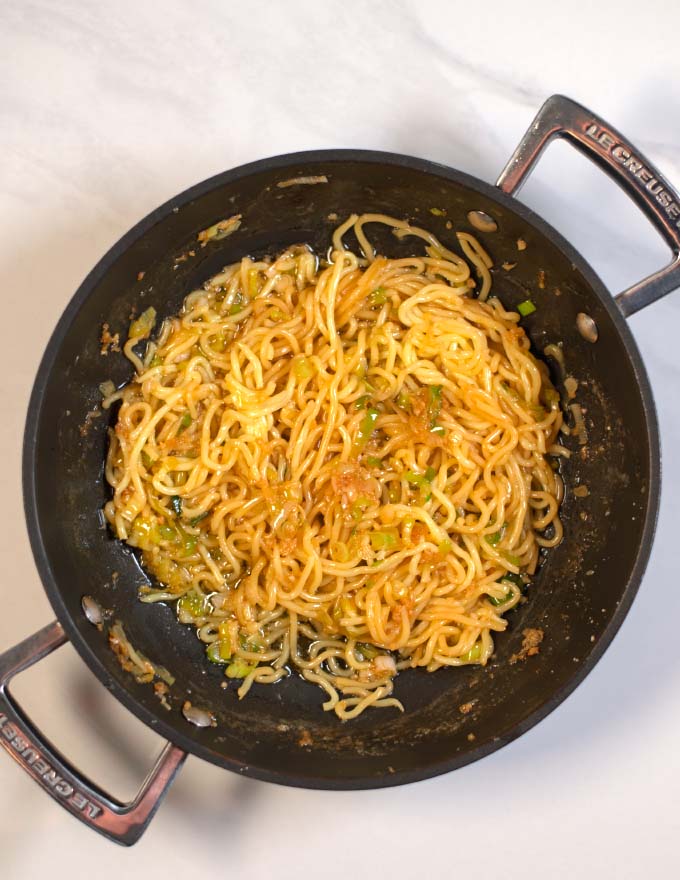
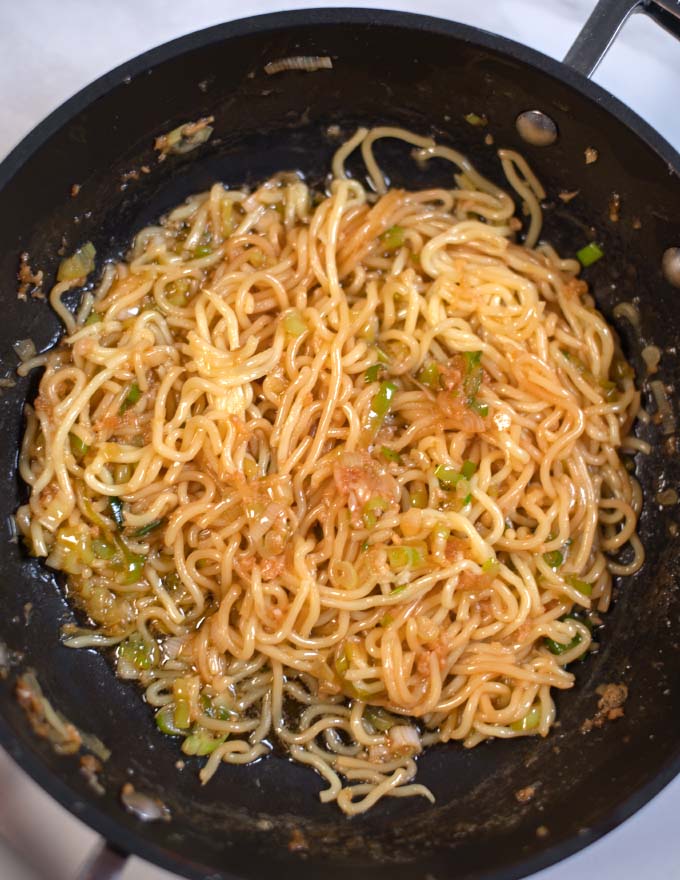
The soy sauce and brown sugar go in next, creating a glossy, flavorful base. Finally, toss the noodles into the sauce and let them absorb the buttery mixture. A little salt and pepper at the end brings everything together.
The process takes only minutes, but the flavor tastes layered and intentionally developed.
What Sets This Hibachi Noodle Recipe Apart
A good hibachi recipe is about balance. This version creates the deep, restaurant-style taste using everyday pantry ingredients and clear technique.
By sautéing the aromatics in butter first and adding noodles only after the sauce has deepened, the dish achieves that "hibachi grill" flavor at home.
The recipe is also highly adaptable. Its simplicity allows you to add vegetables, proteins, or different seasonings without losing the core identity of the dish.
Storing and Using Leftover Hibachi Noodles
Leftovers hold up well and can be refrigerated and reheated with great results.
A quick splash of water in the pan restores moisture, and the noodles warm up perfectly without becoming oily.
They make an excellent next-day lunch and can easily be turned into a fresh meal by adding veggies, extra scallions, or a quick protein.
Variations for Endless Creativity
This recipe forms a reliable foundation for many interpretations. You can shift the flavor profile with a drizzle of sesame oil at the end, add heat with crushed chiles, or brighten the dish with a squeeze of lime.
Vegetables such as cabbage, peas, mushrooms, or spinach mix in easily. The noodles can also serve as a base for stir-fried tofu or grilled plant-based proteins if you want something more filling.
Because the seasoning is versatile, the dish adapts to whatever mood or ingredients you have available.
Frequently Asked Questions About Hibachi Noodles
Instant noodles provide the ideal texture and cook in minutes. They remain firm, making them perfect for absorbing sauce without turning soggy.
Fresh ingredients offer the best aroma and flavor. Bottled versions will work in a pinch but produce a milder taste.
Tossing them in the sauce while they're still warm helps. If they cool down, loosen them briefly under warm water before adding them to the pan.
Yes. The noodles hold up well for a couple of days and reheat quickly in a pan or microwave.
Absolutely. This recipe is highly adaptable and pairs well with almost any vegetable or protein you enjoy.
Recipe Recommendations
If You Love Simple Flavorful Meals, Try This One
I always enjoy hearing how recipes turn out for you.
If you make these hibachi noodles, share a photo on Instagram or Facebook and tag me so I can see your version.
And if you enjoyed it, I'd love it if you left a comment and a star rating-your feedback helps others discover the recipe, too!

Hibachi Noodles
Easy hibachi noodles made with simple ingredients and rich savory flavor. Learn how to make restaurant-style hibachi noodles at home with ginger, garlic, scallions, butter, and soy sauce—perfect for quick meals, sides, and customizable variations.
Ingredients
- 7 oz instant noodles
- 5 tablespoons dairy free butter
- ½ inch ginger, peeled and finely chopped
- 3 cloves garlic, pressed
- 4 scallions, chopped
- 1 tablespoon brown sugar
- 1 tablespoon soy sauce
- Salt and pepper to taste
Instructions
- Cook the noodles according to package instructions and drain.
- In a large pan, melt the butter over medium heat. Add the ginger and garlic and sauté until fragrant. Stir in the scallions and let them soften.
- Add the soy sauce and brown sugar, stirring until the mixture becomes glossy.
- Add the noodles and toss gently to coat them in the sauce. Season with salt and pepper and cook for another minute until everything is well combined.
- Serve warm.
Nutrition Information:
Yield: 2 Serving Size: 1Amount Per Serving: Calories: 460Total Fat: 29gSaturated Fat: 18gUnsaturated Fat: 11gCholesterol: 0mgSodium: 262mgCarbohydrates: 41gFiber: 3gSugar: 9gProtein: 7g